The Rise of Humanoid Robots
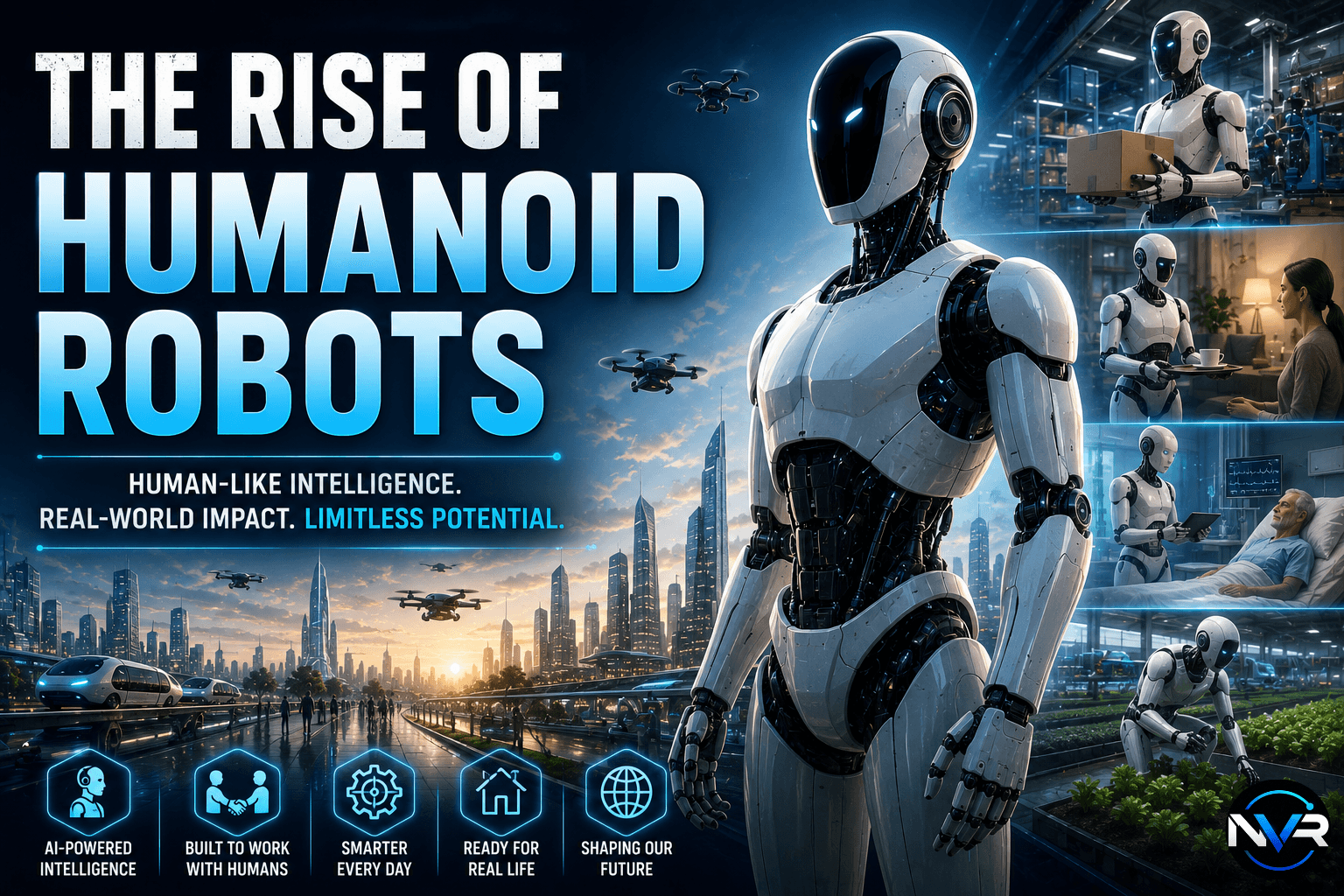
Humanoid robots are becoming smarter, more capable, and increasingly human-like. Discover how advances in AI and robotics are bringing intelligent machines into homes, hospitals, factories, and beyond.
Listen to this article
The Rise of Humanoid Robots
9 parts · Tap play to start
Uses a natural English voice available through your browser or device. Article text is not uploaded to NVR Nexus.
Introduction
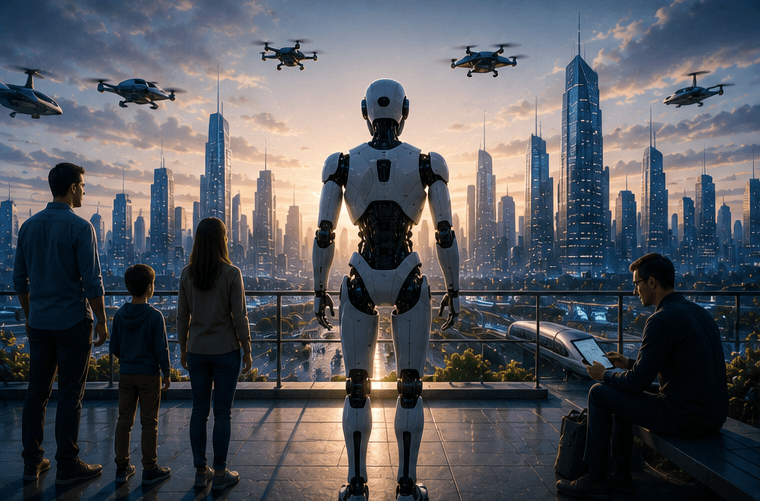
For decades, humanoid robots existed mainly in science fiction movies and futuristic novels.
Today, rapid advances in Artificial Intelligence, robotics, sensors, and computing are turning that vision into reality.
Companies around the world are developing robots that can walk, see, understand speech, and perform useful tasks alongside humans.
Although they are still evolving, humanoid robots could eventually become common in homes, workplaces, hospitals, and public spaces.
The future of robotics is no longer just about machines—it is about intelligent assistants that can work in the human world.
What Are Humanoid Robots?
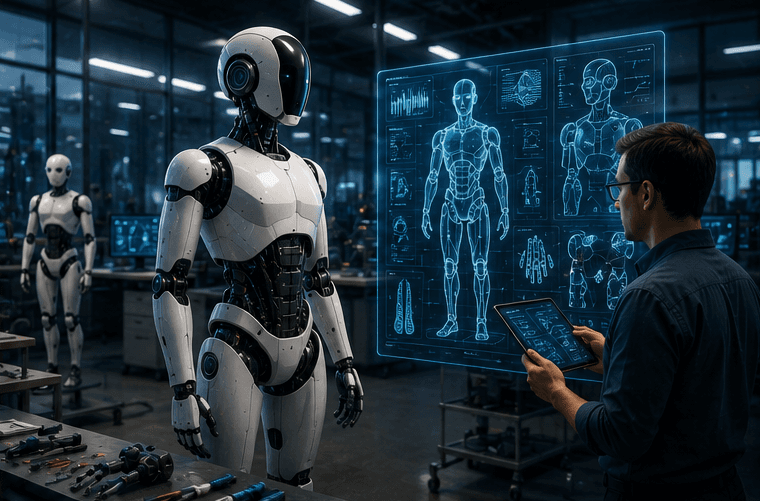
Humanoid robots are machines designed with a human-like body structure, including a head, torso, arms, and legs.
This design allows them to use tools, climb stairs, open doors, and operate equipment created for people.
Unlike traditional industrial robots that remain fixed in one location, humanoid robots are built to move through human environments.
Their combination of physical mobility and AI makes them suitable for a wide variety of tasks.
Humanoid robots are built to work where humans already live and work.
How AI Powers Modern Robots
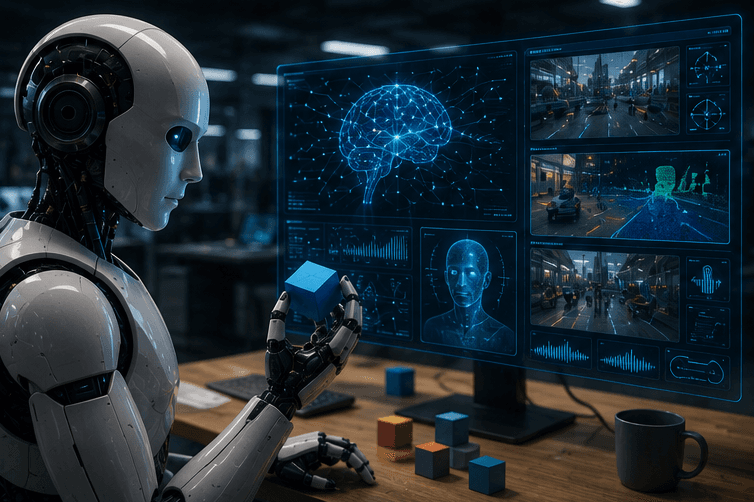
Artificial Intelligence serves as the brain of modern humanoid robots.
AI helps robots recognize objects, understand spoken language, plan actions, avoid obstacles, and learn from experience.
Computer vision, speech recognition, machine learning, and sensor fusion allow robots to interact naturally with their surroundings.
As AI models continue improving, robots are becoming more capable of performing complex real-world tasks.
- Computer Vision
- Speech Recognition
- Machine Learning
- Motion Planning
- Object Recognition
- Decision Making
Where Humanoid Robots Are Already Being Used
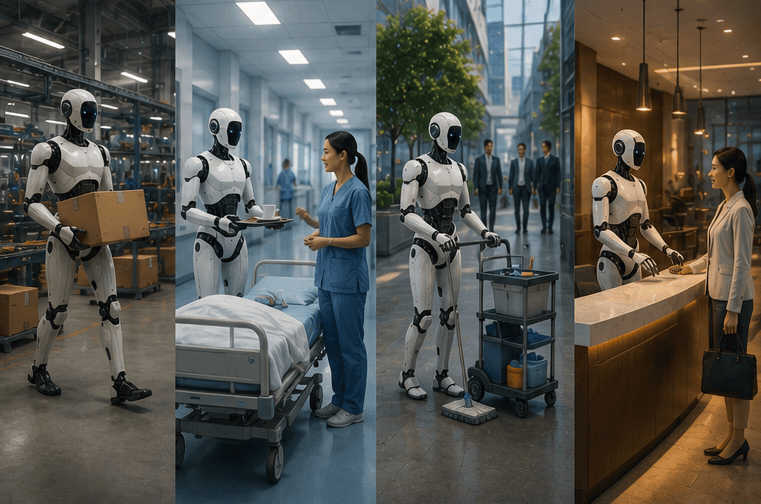
Humanoid robots are beginning to appear in factories, warehouses, hospitals, research laboratories, and customer service environments.
They can transport supplies, assist workers, greet customers, inspect equipment, and perform repetitive physical tasks.
Many organizations are testing robots in environments where labor shortages or dangerous working conditions exist.
Although widespread adoption is still developing, real-world deployments are increasing every year.
Helping at Home and in Healthcare
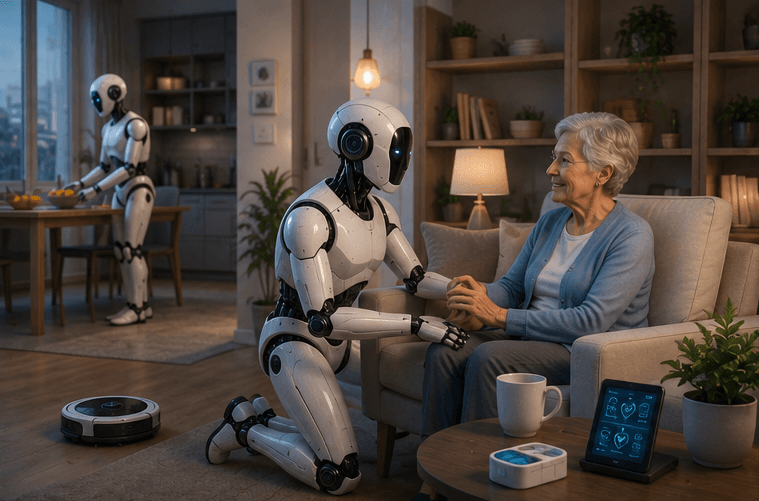
In the future, humanoid robots may assist elderly people, support individuals with disabilities, and help with everyday household chores.
They could remind patients to take medication, monitor health conditions, prepare simple meals, and provide companionship.
Rather than replacing caregivers, robots could reduce workloads and improve quality of life for millions of people.
Healthcare and home assistance are expected to become major areas for humanoid robotics.
- Elder Care
- Patient Assistance
- Household Tasks
- Medication Reminders
- Health Monitoring
- Companionship
Benefits and Challenges
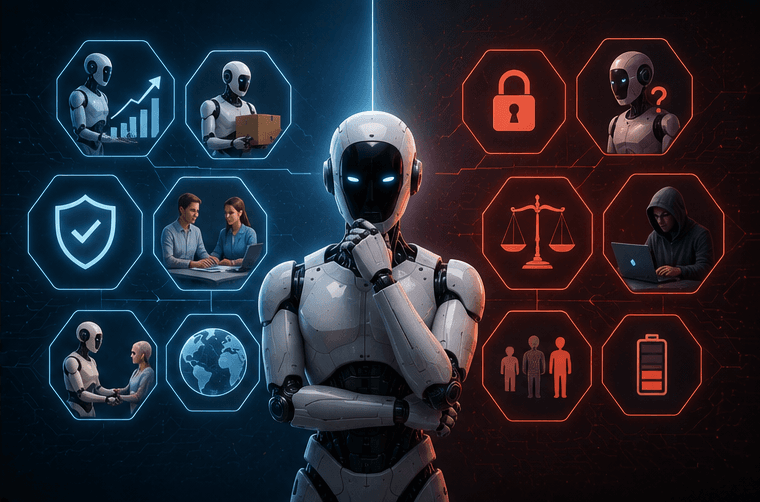
Humanoid robots have the potential to improve productivity, workplace safety, and quality of life.
However, important challenges remain, including affordability, battery life, safety, ethical concerns, privacy, and public trust.
Engineers must ensure these robots operate reliably and safely around people.
Responsible development will determine how successfully humanoid robots integrate into society.
- Higher Productivity
- Workplace Safety
- Labor Assistance
- Robot Safety
- Privacy
- Ethical AI
- Affordability
- Human Oversight
The Future of Humanoid Robots
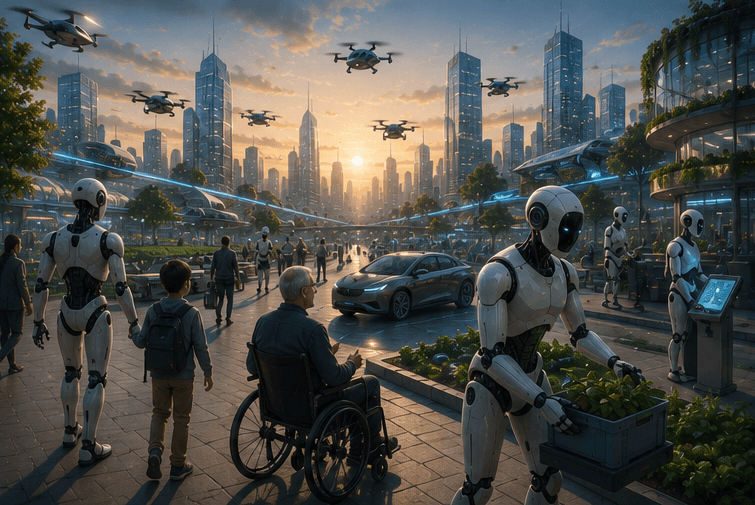
Over the next decade, humanoid robots are expected to become more intelligent, affordable, and capable.
Advances in AI, battery technology, and robotics will allow them to perform increasingly complex tasks with greater independence.
Many experts believe future robots will work alongside humans in industries ranging from manufacturing and healthcare to retail and education.
Instead of replacing people entirely, humanoid robots are likely to become valuable teammates that handle repetitive or physically demanding work.
Conclusion

Humanoid robots represent one of the most exciting frontiers in modern technology.
By combining advanced robotics with powerful Artificial Intelligence, these machines are moving closer to becoming practical assistants in everyday life.
While technical and ethical challenges remain, the progress made in recent years has been remarkable.
The rise of humanoid robots is not simply changing machines—it is reshaping how humans and intelligent technology may work together in the future.
Knowledge Hub
Learn the fundamentals first
Plain-language explainers to help you understand the concepts behind this article.

Share this article
Keep reading
Related Articles
More stories on similar topics from the NVR Nexus blog.

The Future of Wearable Technology
Wearable technology is evolving beyond smartwatches into intelligent clothing, health sensors, augmented-reality glasses, and body-integrated devices. Discover how wearables could transform health, work, communication, and everyday life.

Will We Ever Live on Mars?
Could humans really build cities on Mars? Explore the science, technology, challenges, and future innovations that may one day turn the Red Planet into humanity's second home.

Brain-Computer Interfaces Explained
Brain-Computer Interfaces (BCIs) allow direct communication between the human brain and computers. Discover how this groundbreaking technology is transforming healthcare, communication, robotics, and the future of human-computer interaction.