How AI Is Changing Transportation
Artificial Intelligence is transforming transportation through self-driving vehicles, smarter traffic management, predictive maintenance, and intelligent logistics. Discover how AI is making travel safer, faster, and more efficient.
Listen to this article
How AI Is Changing Transportation
10 parts · Tap play to start
Uses a natural English voice available through your browser or device. Article text is not uploaded to NVR Nexus.
Introduction
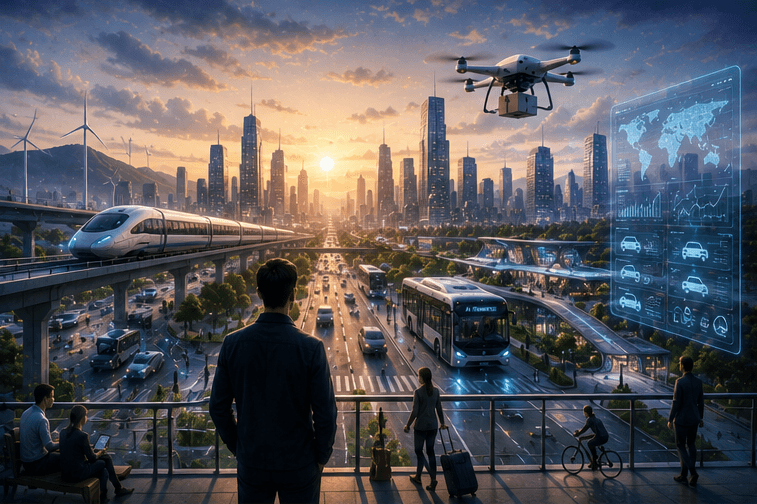
Transportation is one of the industries experiencing rapid transformation through Artificial Intelligence.
From self-driving vehicles to intelligent traffic systems, AI is helping move people and goods more safely and efficiently than ever before.
Cities, logistics companies, airlines, shipping organizations, and automobile manufacturers are increasingly adopting AI-powered technologies.
Rather than replacing drivers and transportation professionals, AI is becoming a powerful assistant that improves safety, reduces costs, and enhances decision-making.
The future of transportation will combine human expertise with intelligent machines to create smarter and more connected mobility.
Autonomous Vehicles
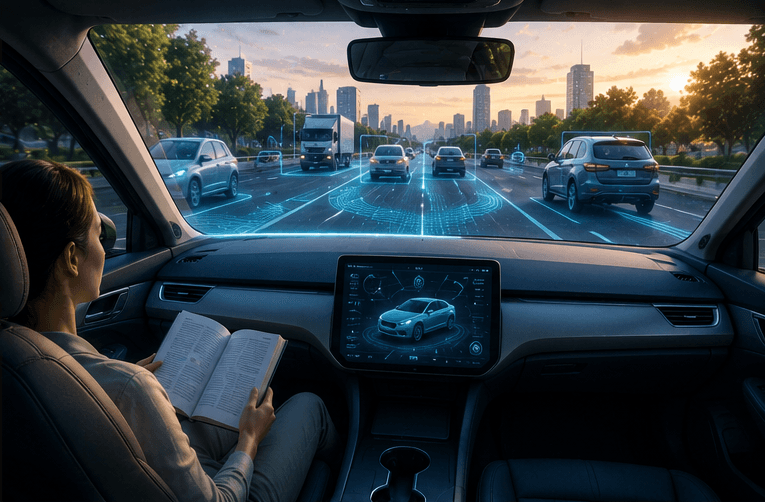
Self-driving technology is one of the most well-known applications of AI in transportation.
AI systems use cameras, radar, LiDAR, GPS, and advanced sensors to understand the surrounding environment and make driving decisions in real time.
Although fully autonomous vehicles are still evolving, many modern cars already include AI-powered features such as adaptive cruise control, lane keeping, and automatic emergency braking.
These technologies help reduce accidents while making driving safer and less stressful.
The goal of autonomous driving isn't just convenience—it's safer roads for everyone.
Smart Traffic Management
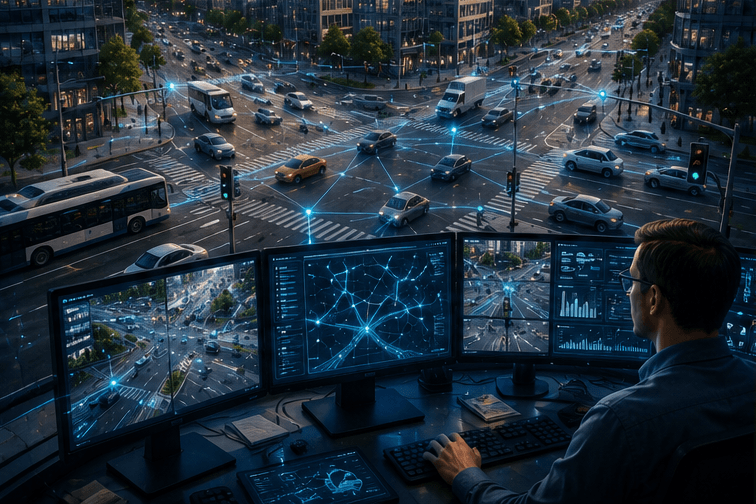
Traffic congestion wastes time, fuel, and money every day.
AI-powered traffic management systems analyze data from cameras, road sensors, and connected vehicles to optimize traffic flow.
Traffic lights can automatically adjust based on real-time conditions, helping reduce congestion and improve travel times.
Smarter traffic systems also help emergency vehicles reach destinations more quickly.
- Traffic Prediction
- Smart Traffic Signals
- Congestion Reduction
- Accident Detection
- Route Optimization
- Smart City Integration
Predictive Vehicle Maintenance
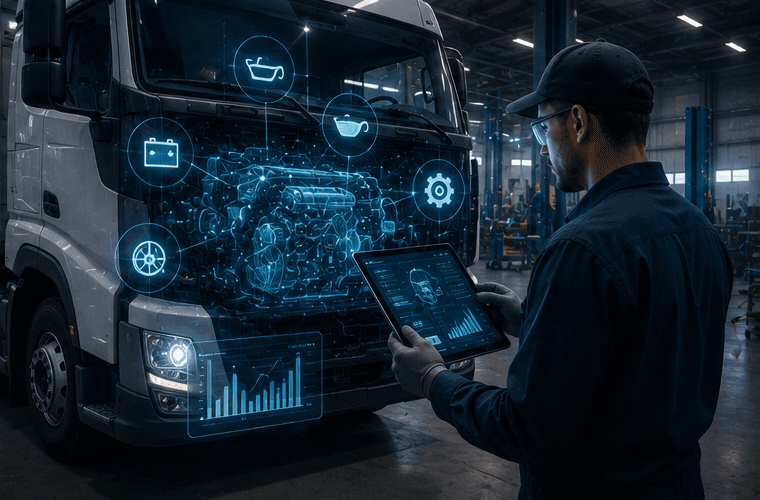
Unexpected vehicle breakdowns can be expensive and dangerous.
AI continuously monitors engine performance, battery health, tire conditions, and other vehicle components using onboard sensors.
Instead of waiting for failures to occur, AI predicts maintenance needs before serious problems develop.
Predictive maintenance improves safety while reducing repair costs and downtime.
AI in Logistics and Delivery
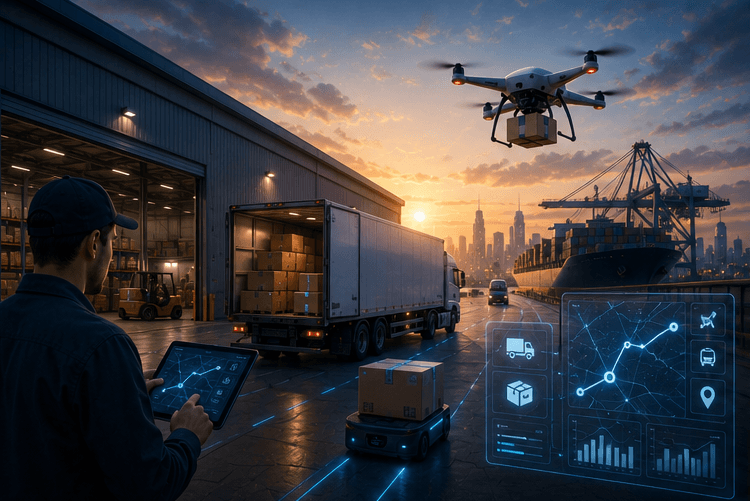
Transportation is essential for global supply chains and e-commerce.
AI helps logistics companies optimize delivery routes, forecast demand, schedule shipments, and improve warehouse operations.
Delivery companies can reduce fuel consumption, shorten delivery times, and improve customer satisfaction through intelligent planning.
As online shopping continues to grow, AI-powered logistics will become even more important.
- Route Planning
- Fleet Optimization
- Demand Forecasting
- Warehouse Coordination
- Delivery Scheduling
- Fuel Efficiency
Smarter Public Transportation
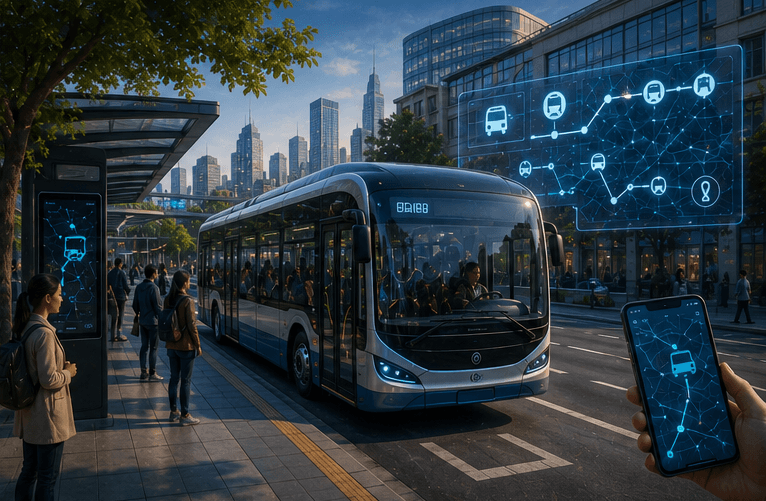
Public transportation systems are using AI to improve passenger experiences.
AI helps optimize bus and train schedules, predict passenger demand, monitor vehicle health, and provide real-time travel updates.
Commuters benefit from shorter wait times, more reliable services, and better journey planning.
Cities can also reduce operating costs while serving growing populations more effectively.
Benefits and Challenges
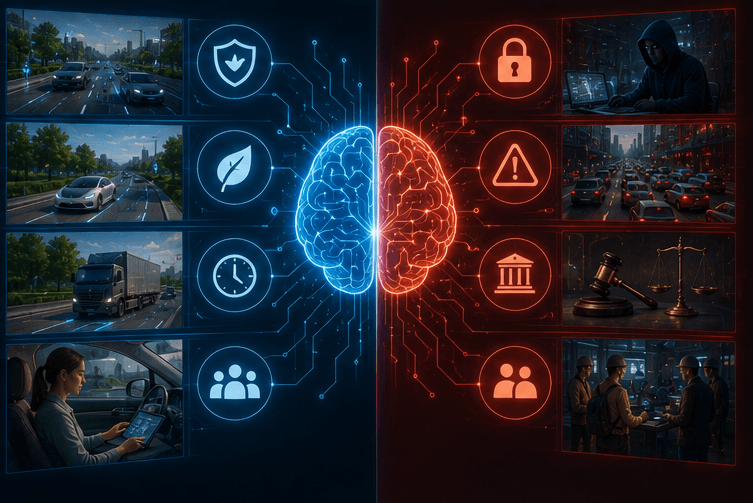
AI brings significant improvements to transportation, but widespread adoption also introduces important challenges.
Organizations must address cybersecurity, data privacy, infrastructure upgrades, legal regulations, and public trust.
Human oversight remains essential, particularly in safety-critical transportation systems.
The most successful transportation networks will combine intelligent automation with experienced human operators.
- Improved Road Safety
- Reduced Traffic
- Lower Fuel Consumption
- Faster Deliveries
- Cybersecurity
- Infrastructure Costs
- Regulatory Compliance
- Human Oversight
The Future of Smart Transportation
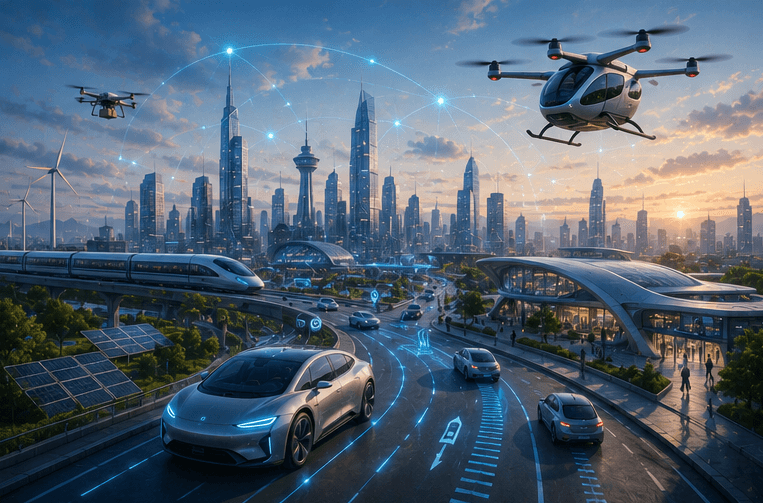
The transportation systems of the future will become increasingly connected, autonomous, and data-driven.
AI will coordinate autonomous vehicles, intelligent highways, drone deliveries, electric vehicle charging networks, and smart public transit.
Real-time communication between vehicles and infrastructure will help reduce accidents while improving traffic efficiency.
Future mobility will focus on creating transportation that is safer, cleaner, and more sustainable.
Conclusion
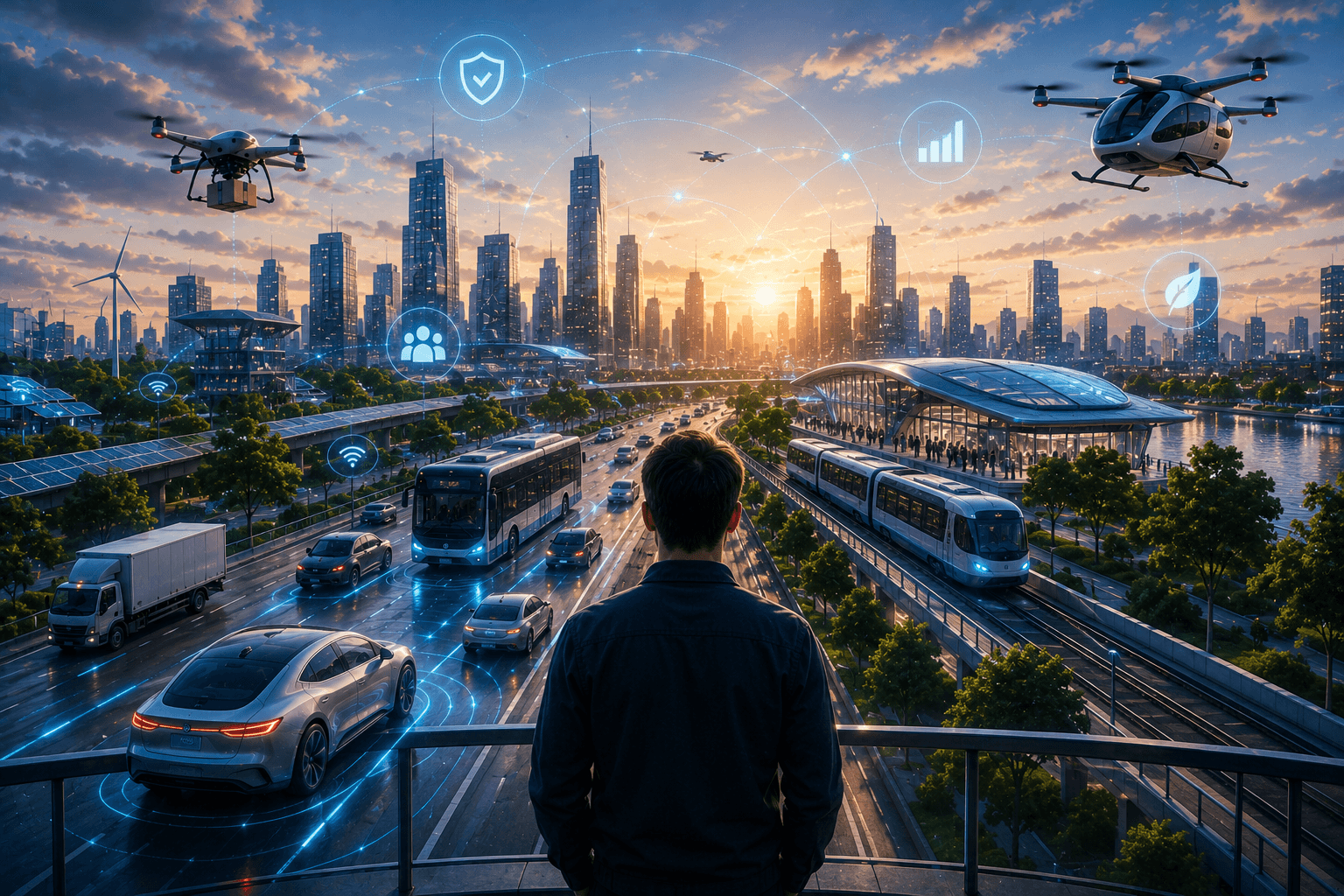
Artificial Intelligence is transforming transportation by making travel safer, smarter, and more efficient.
From autonomous vehicles and intelligent traffic systems to predictive maintenance and AI-powered logistics, intelligent technology is improving every part of modern transportation.
While challenges such as regulation, cybersecurity, and public trust remain, AI has enormous potential to reshape how people and goods move around the world.
The future of transportation will be driven by collaboration between human expertise and intelligent technology, creating smarter mobility for everyone.
Knowledge Hub
Learn the fundamentals first
Plain-language explainers to help you understand the concepts behind this article.

Share this article
Keep reading
Related Articles
More stories on similar topics from the NVR Nexus blog.

How AI Is Changing Media and Journalism
Artificial intelligence is changing how newsrooms research stories, analyze evidence, create formats, reach audiences, and verify digital media. The opportunity is significant—but so are the risks to accuracy, transparency, trust, and editorial independence.

How AI Is Changing the Legal Industry
Artificial Intelligence is transforming the legal industry through contract analysis, legal research, document automation, compliance monitoring, and predictive case insights. Discover how AI is reshaping the future of legal services.

How AI Is Changing Sports
Artificial Intelligence is transforming sports through performance analytics, injury prevention, intelligent coaching, AI referees, fan engagement, and data-driven decision making. Discover how AI is reshaping the future of sports.